UK's female ambulance chiefs reflect on leadership ahead of International Women's Day
06.03.26
A pair of ambulance chiefs have opened up about their leadership journey ahead of International Women’s Day (Sunday 8 March 2026).
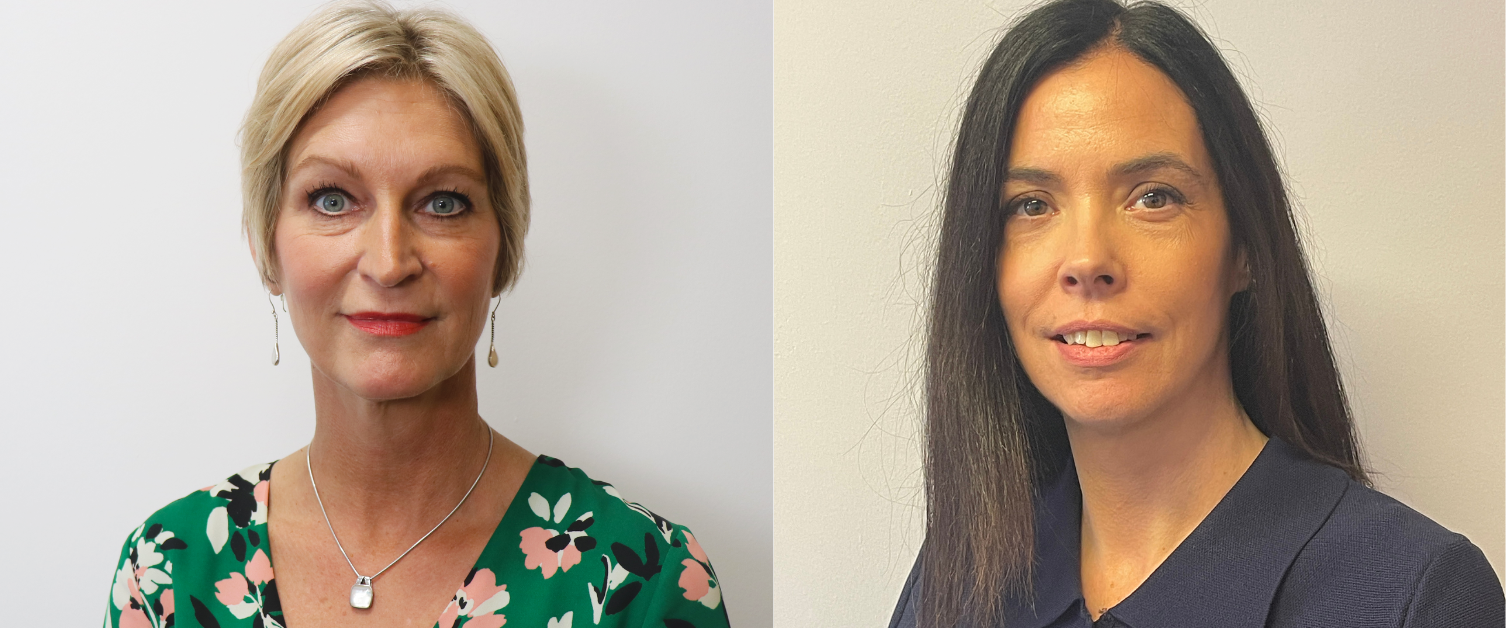
Emma Wood and Maxine Paterson, the UK’s only female ambulance chief executives, have shared their experience of leading under pressure, breaking down barriers and what it means to be women at the top.
Emma joined the Welsh Ambulance Service in October and has two decades of experience as a Board-level director across the public and private sectors.
Her previous roles include Strategic Director of Human Resources at Avon and Somerset Police and Chief People Officer and Deputy Chief Executive at University Hospitals Bristol and Weston NHS Foundation Trust.
The mother-of-three has a degree in Psychology and Education, a master’s in Integrated Professional Practice and is a Fellow of the Chartered Institute of Personnel and Development.
Maxine was appointed Interim Chief Executive at the Northern Ireland Ambulance Service last April after serving as Deputy Chief Executive since 2023.
She joined the service in 2020 as Director of Planning, Performance and Corporate Services having previously held senior roles in the Health and Social Care within the Business Services Organisation.
Maxine has a degree in Business Management and a postgraduate diploma in Contact Centre Management and Heath Commissioning.
International Women’s Day is a global day celebrating the social, economic, cultural and political achievements of women while calling for accelerated action towards gender equality.
How would you describe your leadership style?
Emma: I’m empathetic and compassionate but I also like to get the job done. I like to make meaningful change, especially when it comes to patient outcomes and staff experience. My preference is to lead beside people but I’m also not afraid to be directional.
Maxine: Direct, values-anchored and system-minded. I lead, like Emma, in an environment where decisions have immediate consequences for patient safety, so clarity matters. I believe in being visible, setting expectations and creating an environment where people can speak honestly about risk and performance. Compassion shapes how we lead; discipline underpins how we perform. In emergency care, you cannot separate the two.
Tell us about an individual or experience that defined your approach to leadership.
Emma: I was new to the public sector and my manager showed an enormous amount of compassion and flexibility while navigating a period of personal change. Without his support, I couldn’t have continued in the job. He was also a really good role model in terms of setting direction and challenging the status quo. Equally, I’ve learned important lessons from being led poorly – those experiences taught me how not to be as a leader. When I notice those behaviours in myself, I remember to pull back.
Maxine: Whilst I have had many experiences to draw on throughout my career, stepping into this post in April 2025 during sustained system pressure has influenced me deeply. Leading through hospital delays and workforce challenges has shown me that leadership isn’t about waiting for perfect conditions; it’s about bringing clarity and steadiness in difficult ones. Being open about reality while remaining calm is what builds trust with your team and the organisation.
What does good leadership look like on the hardest days?
Emma: In tough times you have to be focused but lean into the team around you. A mentor once told me to surround myself with people who are better than me. Leaning into their expertise and recognising that the value of their support is important during tough times, as is recognising the personal stress and avoiding falling into the worst version of yourself because of it.
Maxine: It looks like accountability and visibility. When things get tough, leaders can’t retreat into meetings; they need to be present, listening and explaining decisions clearly. People may not always agree with you, but they should never be left guessing where they stand.
How do you balance operational urgency with longer-term cultural and organisational change?
Emma: It’s difficult because you’re constantly being dragged into the here and now and the next crisis. For me, it’s about empowering others to attend to the day-to-day operations but having the right escalation processes in place so that you’re involved when you need to be – as CEO, you’re still the accountable officer ultimately. But you also have to create enough space for the long-term strategic piece. For me, it’s about looking up and out because if you only look in, you don’t tend to innovate as well.
Maxine: Operational urgency is constant; there is always another immediate pressure demanding attention. The challenge is staying focused on longer-term goals when today’s issues feel louder. I also have to gauge where I, in my role, can add the most value. We need to manage today’s risk while still protecting time and energy to strengthen the foundations for tomorrow. That requires discipline and clarity about priorities. It’s about holding both, even when it’s uncomfortable.
What barriers still exist for women in the workplace?
Emma: There are many factors which impact women in the workplace – some are still embedded in societal norms and traditions. Having female champions and role models was important for me alongside male advocates and supporters. Having people who believe in you and the right culture which supports growth and having wider support systems certainly helped me manage caring responsibilities with my professional aspirations.
Maxine: Emergency services leadership remains male-dominated, particularly at executive level. While progress is evident, many women still find progression slows at senior levels as the ladder doesn’t always extend as far. I think visibility matters; I think the term is ‘you can’t aspire to what you can’t see’. Continued representation is important, but sponsorship matters just as much. I was fortunate to have senior leaders who encouraged me to step forward before I felt completely ready and that support made a significant difference to my confidence. I try to do the same now, actively looking for women with potential and ensuring they feel supported to take the next step.
What would you like aspiring women leaders to know about stepping into senior roles?
Emma: Women have to know that they’re good enough. You might be the only female in the room, but that shouldn’t put you off. Your voice and contributions are important and will be different – and different is good. I made a decision very early in my career that I wasn’t going to morph myself into a version of myself I thought others expected. I was just going to be me.
Maxine: The senior leadership roles I’ve held have been deeply nourishing. They have stretched me, challenged me and of course while sometimes stressful, they have also been the most professionally satisfying chapters of my career. There is something so meaningful about being able to influence change at scale and create conditions where others can succeed. Therefore, leadership is about courage and not perfection. If you are values-driven, prepared to work hard and willing to take responsibility, you belong in senior leadership.
This year’s theme is Give to Gain – going forward, what will you give to gain gender equality?
Emma: For me, it’s about giving my advocacy and time but also about giving my whole self. Many leaders feel pressure to come to work wearing a mask, but I want to come to work as Emma. I show up with all of my hopes and ambitions, but my vulnerabilities and insecurities too. That matters for gender equality, because too often women – particularly women in leadership – feel they have to fit a certain mould to be taken seriously and that’s simply not the case.
Maxine: I will give active sponsorship. That means backing capable women into stretch roles and ensuring talent isn’t overlooked. Equality won’t shift through statements alone. I think it shifts when leaders make deliberate choices about opportunity.