Road safety
Every decision behind the wheel matters. To protect yourself and others:
- Stick to speed limits
- Avoid distractions - keep your eyes on the road
- Never drink or drug drive
- Wear your seatbelt
- Plan ahead for poor weather conditions
What to do when an emergency vehicle approaches you
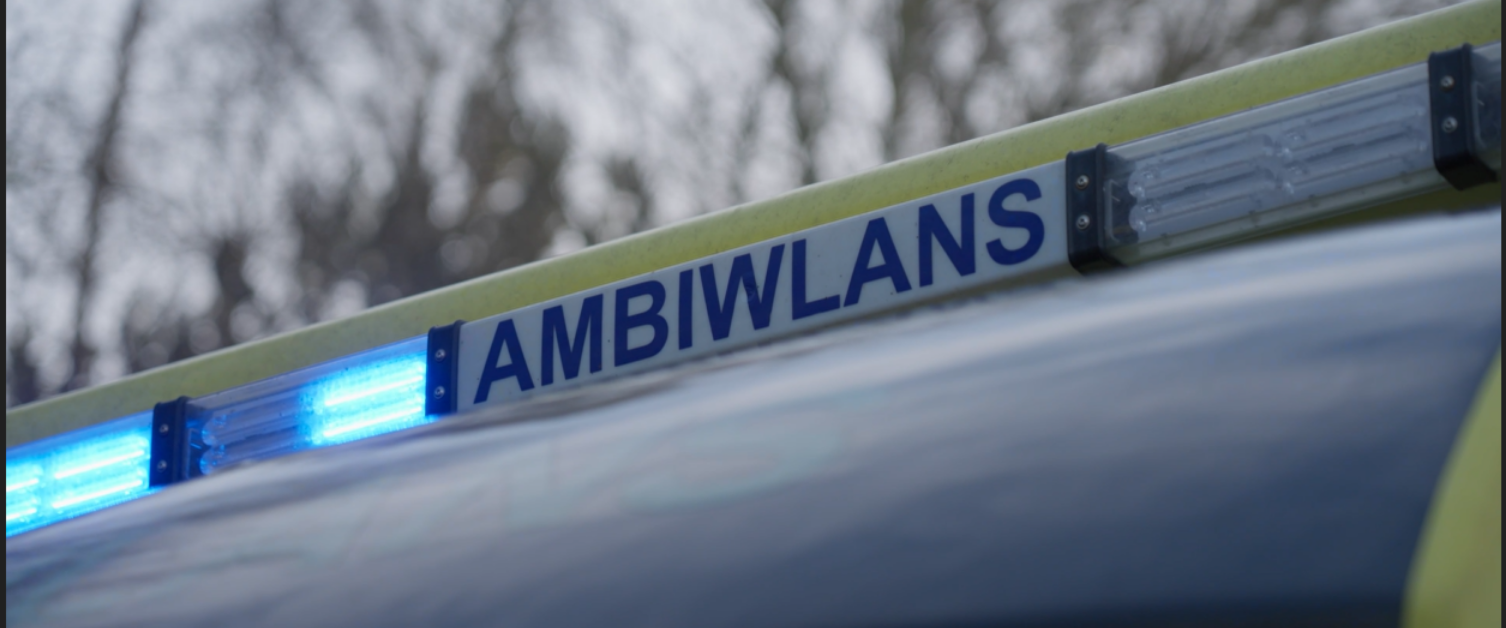
Our teams are trained to safely pass other motorists when driving under emergency conditions (on blue lights and sirens). Please try not to panic if an emergency vehicle approaches you – but remember:
- If an ambulance vehicle comes up behind you with blue lights and sirens, please pull over to the left if there is a safe space to do so.
- If there is no safe place, rather than immediately stopping, it is better to continue at the speed limit until there is a safe place to pull in or until the ambulance vehicle can safely overtake.
- If you are approaching a bend or on the brow of a hill, only pull over when there is a better view of the road ahead.
- If there is a solid white line an emergency vehicle might switch off its siren as it follows you. This is because the road layout does not allow for safe overtaking. Keep going at the speed limit.
- If the lane is wide enough and there’s room for the vehicle to pass you, try to move to the left, but without going over the white line or into a cycle lane.
- Please avoid pulling into bus lanes or cycle lanes. The ambulance crew are trained to negotiate traffic and may look to use the bus lane to pass, and you could get in their way or even get a fine.
- Never go through a red traffic light as you may commit an offence. If it is safe to pass the ambulance will do so. If it is not, they will wait until there is a space to pass in a safe manner.
- On a dual carriageway or motorway, the best thing to do is to move to the left if the traffic is moving, when it’s safe to change lanes. Do not stop in the right-hand lane. If the traffic is stationary, try to consider the path of the emergency vehicle and allow the vehicle to drive down the centre of the traffic.
What to do when an ambulance vehicle is parked
Our crews will do everything they can to not obstruct other vehicles when parking on arrival at an emergency. However, their priority is to reach the patient as quickly as they can.
If you see a parked ambulance vehicle, please:
- Do not block in an ambulance vehicle as this will likely delay them either taking a patient to hospital or responding to another emergency call.
- Do not park too close to the rear of an ambulance. To safely bring some patients into the ambulance, the crews may need to operate the tail lift at the rear of the vehicle, and this may not be possible if another vehicle is parked too close.
What to look out for when parking your vehicle
Parking inconsiderately can prevent emergency vehicles from reaching serious incidents which could delay treatment for those that need help.
The Highway Code states that ‘you should not stop or park anywhere you would prevent access for Emergency Services’
When parking, please:
- Do not park in front of emergency service access points
- Do not park in front of ambulance stations
- Obey the Highway Code and road markings such as yellow lines and box junctions
- Park as close to the kerb as possible
- Park straight with wheels straight and fold in mirrors
- In narrow streets only park on one side of the road, unless there are official parking spaces
- Do not park too close to corners or traffic calming measures
- Leave extra room at tight junctions
- Do not stop or park opposite or within 10 metres of a junction, except if in an authorised parking space
For more information, visit Blue Light Aware – an educational resource designed to help drivers safely assist emergency vehicles on blue light journeys. Based on Highway Code guidance, it features short videos and animations created on behalf of UK emergency services.
By using Blue Light Aware, you’ll better understand the needs of emergency drivers, reduce risks on the road, and help create a safer driving environment for everyone.